


Chartered Accountant - HMO Investor - Straight Talker
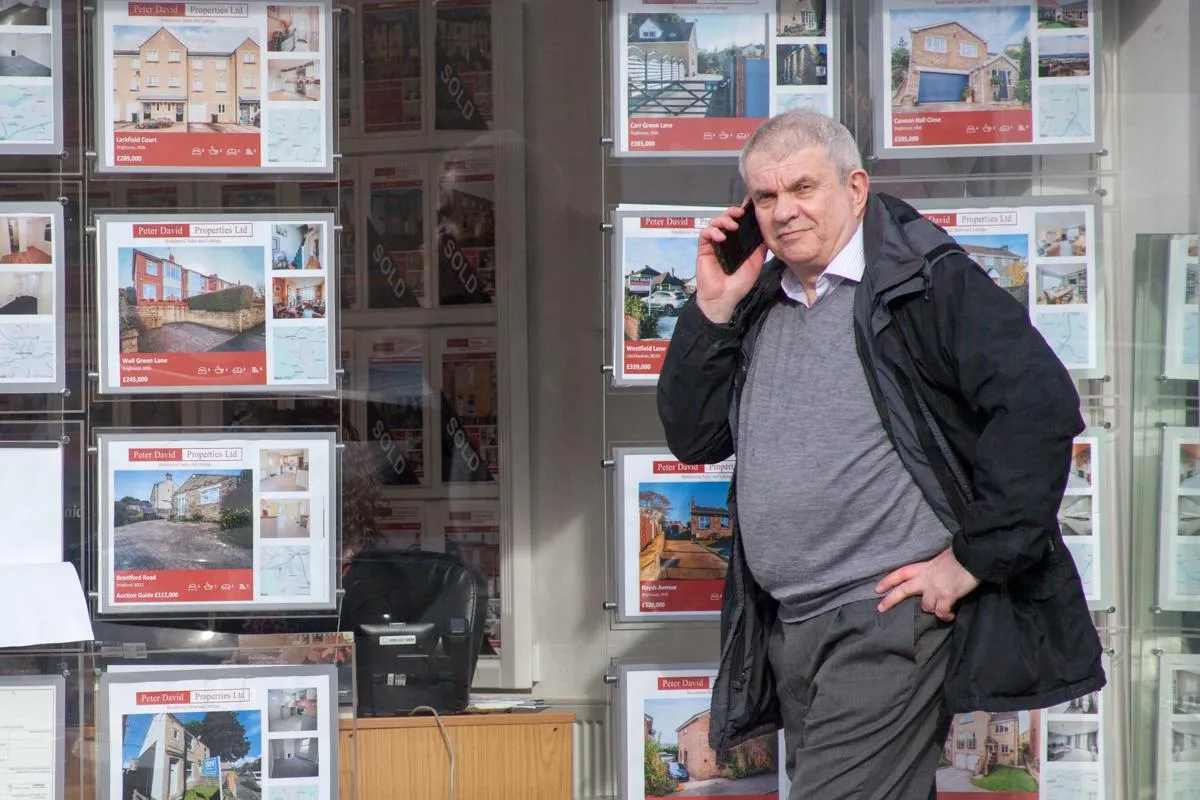


Hello... I'm Clive Cass
━━━━━━━━
I’m Clive — a qualified Chartered Accountant and hands-on property investor with over 30 years’ experience helping people make smarter financial decisions and build long-term wealth.
My day-to-day work is split between:
Investing in high-yield HMO properties across the North West and Yorkshire
Advising landlords, builders, and small businesses on tax, accounting and compliance
And I love both.
Because I believe smart property investing and smart tax planning go hand-in-hand — and most people don’t get either right.
What
Let me work with you on property, tax or accountancy and I am sure I can make a measurable difference to your wealth as you look to achieve your financial freedom through property investment.
Why
Work with me in the knowledge that I myself do exactly what I will advise you to do. So if it is good enough for me, I am confident it will be good enough for you.
When & How
I work full time and will be very responsive to all your communications. I always get things done and you will always work directly with me. We can work via email or in person and I am always happy to answer all of your questions.
I’ve built a growing portfolio of Family Buy-to-Lets (FBTLs) and HMOs, carefully selected and professionally managed for strong, consistent returns.
I don’t chase “get rich quick” deals. I invest in quality housing, in real locations, for long-term income.
Most importantly: I invest using the same strategies I recommend to my clients.
If I wouldn’t do it with my own money, I won’t suggest it with yours.
Property Investing with a Numbers-First Mindset
━━━━━━━━
Tax & Accountancy That Actually Makes Sense
━━━━━━━━
I run a long-standing accountancy practice working mainly with:
Property investors & landlords
Builders and tradespeople
Self-employed professionals
Whether you need help with Making Tax Digital (MTD), claiming allowable property expenses, or just understanding your books — I make it simple, accurate, and jargon-free.
As a landlord myself, I understand your challenges better than most accountants do.
I’m not a flashy guru or a corporate firm. If we work together, you’ll speak to me directly — not a bot, I'm not a call centre.
I return calls. I answer questions. And I care about long-term partnerships, not quick wins.
If you’re looking for:
A hands-free HMO investment
Expert tax advice tailored to landlords
Someone who actually does what they preach
…then let’s talk.
A Personal, Straightforward Approach
━━━━━━━━
Elite Broker Blogs
━━━━━━━━

Why you shouldn't buy a holiday let if you intend to stay in it
Why you should not buy a holiday let if you intend to stay in it

Holiday lets are a great investment and offer several benefits including Capital Gains Tax relief and capital allowances for furniture and fixtures. However, there are strict letting conditions, and if you intend to stay in the property for part of the year, this could mean that the property no longer qualifies as a holiday let.
Let’s take a look at some taxes that might become payable by staying in your holiday let. These do not apply if you do not stay in the property.
ATED
Annual Tax on Enveloped Dwellings (ATED) is a tax that companies must pay if their UK residential property value exceeds £500,000. The tax is payable by companies that own such a dwelling and the amount of tax payable depends on the property’s value.
You will need to complete an annual ATED return if the property islocated in the UK, is considered a ‘dwelling’ (a sufficiently self-contained unit), is valued at more than £500,000 and is owned completely or partly by a company, partnership or collective investment scheme.
The chargeable amounts for the 2025/26 tax year are as follows:
Property value
Yearly charge
£500,000 - £1 million
£4,450
£1 million - £2 million
£9,150
£2 million - £5 million
£31,050
£5 million - £10 million
£72,700
£10 million - £20 million
£145,950
More than £20 million
£292,350
Benefit in Kind
Benefits in kind (BIK) are benefits that directors or employees receive from their company that are not included in their salary. This may include property and living accommodation benefits.
If a company purchased a holiday let for its director(s), you should check how much tax you will need to pay and for how much of the year it applies. You can find a detailed example below.
Example
An HMRC example of a BIK case can be found in EIM11421. To sum up, a UK company purchases a flat in France for £200,000. The market rental price for the property would be £500 per week during the 6-month skiing season and £100 per week during the rest of the year. A husband and wife who are both directors of the company use the flat for holidays 4 weeks per year (3 weeks during ski season and 1 week during the slow season). The sole reason the property was bought was as a holiday home for the couple and it has only been used as such.
Because the flat was habitable for the entire year, HMRC would seek a benefit measured on availability for the whole year (even though they only use it for 4 weeks).
Therefore, a cash equivalent for the tax year, under Section 106 ITEPA 2003, would be £15,600. This is calculated as 6 months of ski season at £500/week (£13,000) and 6 months off-season at £100/week (£2,600).
If the property was personally owned, different tax rules would apply and the bill would be significantly lower.
Please contact us if you would like to know more about ATED and any exemptions that may apply. We can advise you on the best (and most tax-effective) way to proceed.

COMPANY
CUSTOMER CARE
45 Highmeadow, Manchester Greater Manchester M26 1YN
FOLLOW US


© Copyright 2026. Cass Properties Ltd. All Rights Reserved. Website & Marketing by TNT Marketing