


Chartered Accountant - HMO Investor - Straight Talker
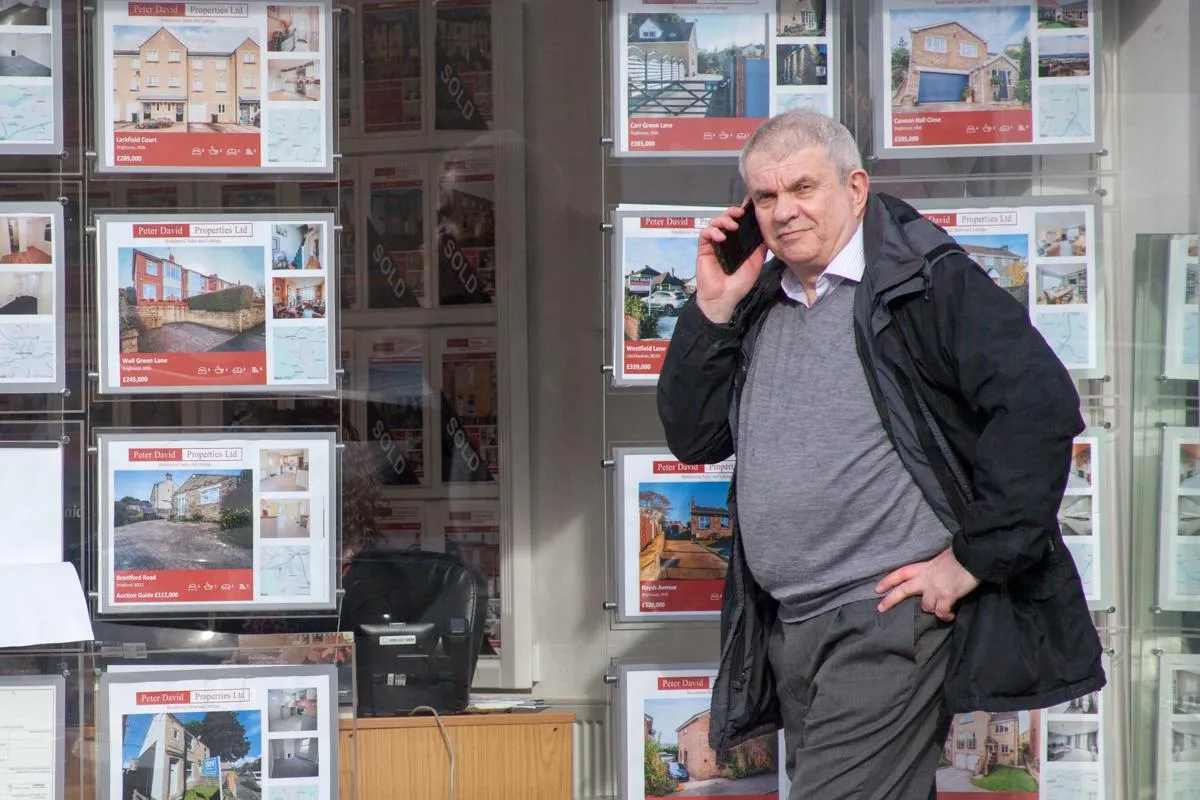


Hello... I'm Clive Cass
━━━━━━━━
I’m Clive — a qualified Chartered Accountant and hands-on property investor with over 30 years’ experience helping people make smarter financial decisions and build long-term wealth.
My day-to-day work is split between:
Investing in high-yield HMO properties across the North West and Yorkshire
Advising landlords, builders, and small businesses on tax, accounting and compliance
And I love both.
Because I believe smart property investing and smart tax planning go hand-in-hand — and most people don’t get either right.
What
Let me work with you on property, tax or accountancy and I am sure I can make a measurable difference to your wealth as you look to achieve your financial freedom through property investment.
Why
Work with me in the knowledge that I myself do exactly what I will advise you to do. So if it is good enough for me, I am confident it will be good enough for you.
When & How
I work full time and will be very responsive to all your communications. I always get things done and you will always work directly with me. We can work via email or in person and I am always happy to answer all of your questions.
I’ve built a growing portfolio of Family Buy-to-Lets (FBTLs) and HMOs, carefully selected and professionally managed for strong, consistent returns.
I don’t chase “get rich quick” deals. I invest in quality housing, in real locations, for long-term income.
Most importantly: I invest using the same strategies I recommend to my clients.
If I wouldn’t do it with my own money, I won’t suggest it with yours.
Property Investing with a Numbers-First Mindset
━━━━━━━━
Tax & Accountancy That Actually Makes Sense
━━━━━━━━
I run a long-standing accountancy practice working mainly with:
Property investors & landlords
Builders and tradespeople
Self-employed professionals
Whether you need help with Making Tax Digital (MTD), claiming allowable property expenses, or just understanding your books — I make it simple, accurate, and jargon-free.
As a landlord myself, I understand your challenges better than most accountants do.
I’m not a flashy guru or a corporate firm. If we work together, you’ll speak to me directly — not a bot, I'm not a call centre.
I return calls. I answer questions. And I care about long-term partnerships, not quick wins.
If you’re looking for:
A hands-free HMO investment
Expert tax advice tailored to landlords
Someone who actually does what they preach
…then let’s talk.
A Personal, Straightforward Approach
━━━━━━━━
Elite Broker Blogs
━━━━━━━━
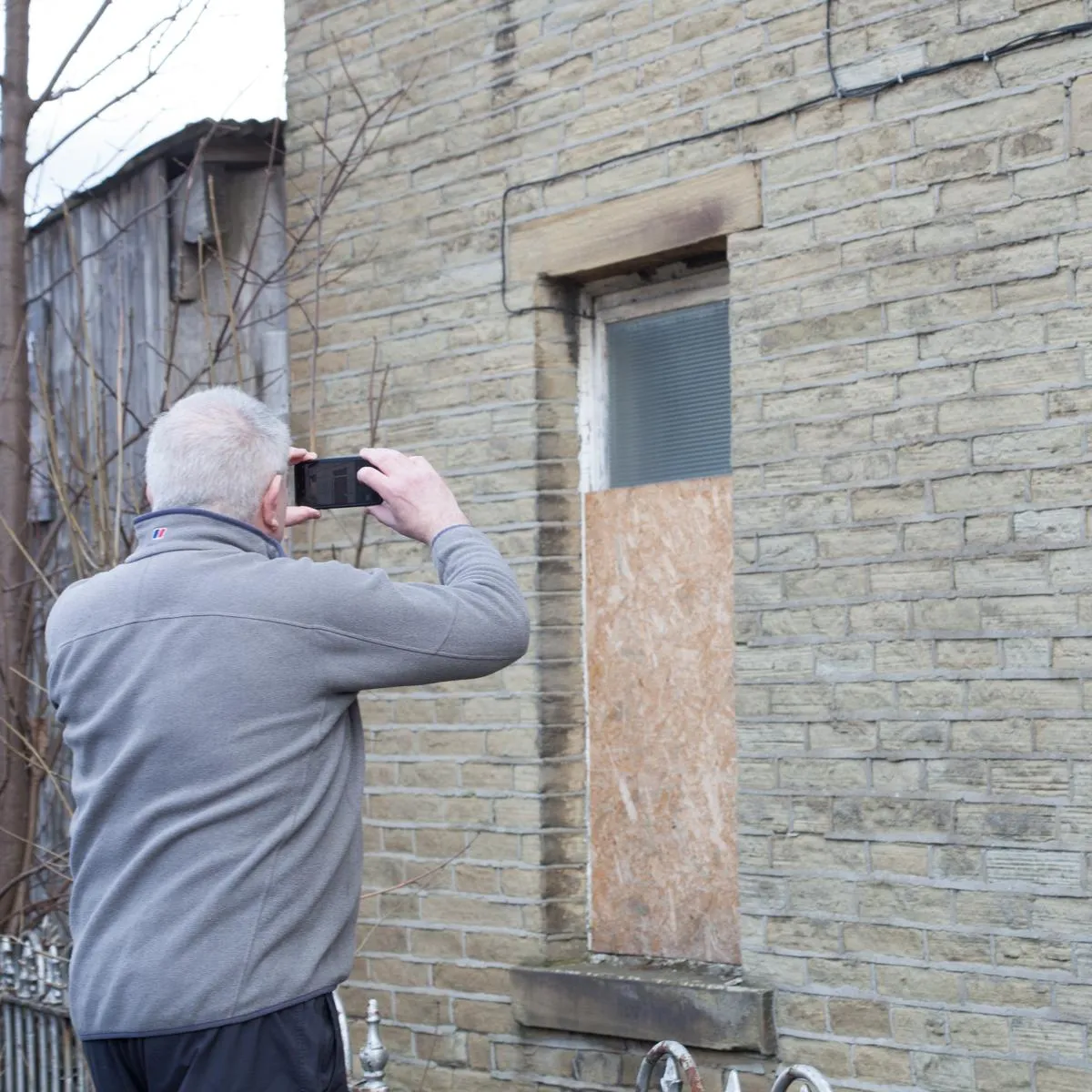
Tax-deductible expenses and vacant properties
Tax-deductible expenses and vacant properties
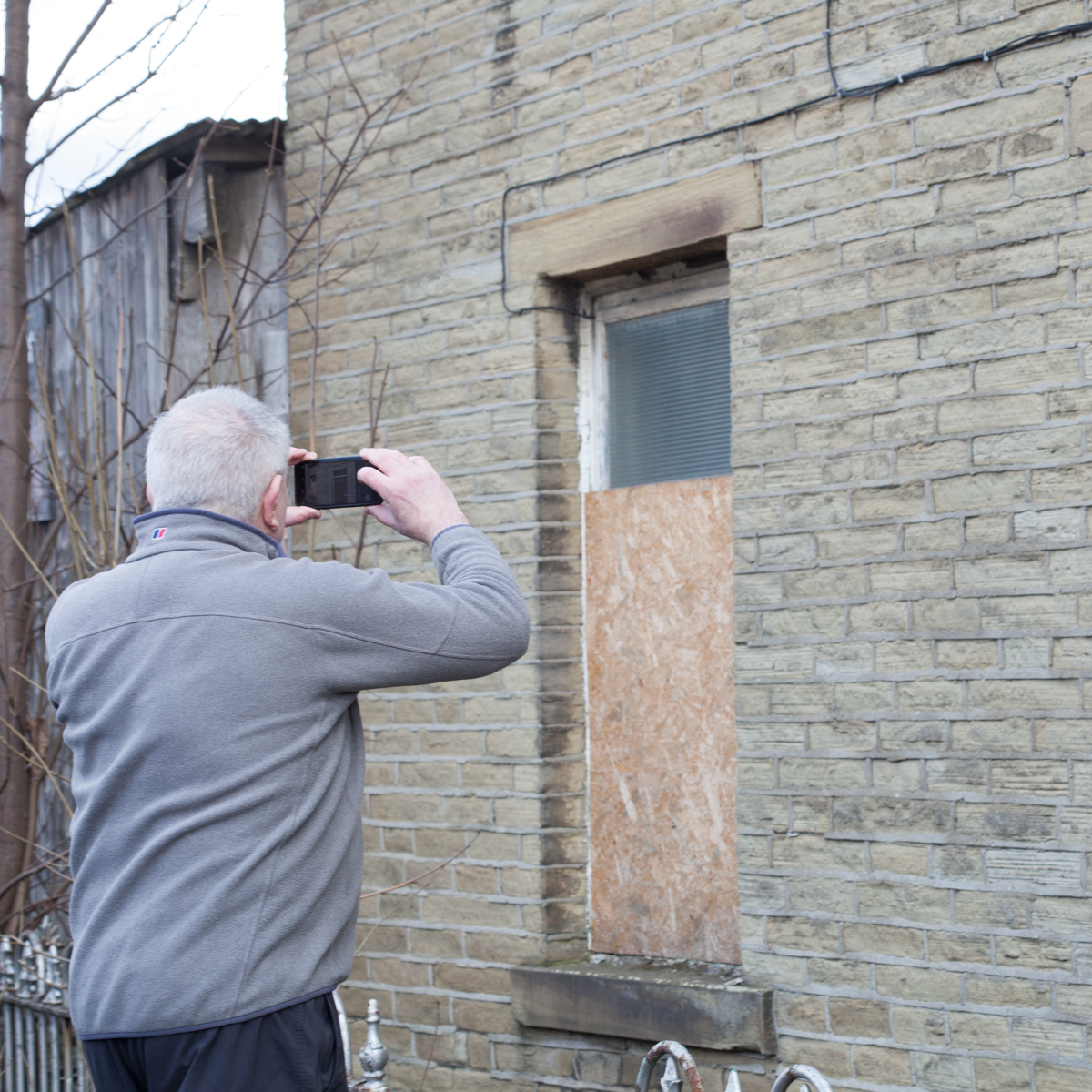
The ability to deduct expenses incurred by a property business is determined by the status of that business. HMRC typically see a property business as fitting into one of the following categories:
·Let on a commercial basis;
·Let on an uncommercial basis;
·Used for personal occupation;
·Temporarily vacant; or
·Ceased.
If the property is being let on a commercial basis, the normal rules for expense deduction apply as per HMRC’s Property Income Manual (see link below). This factsheet looks at the other scenarios in more detail.
‘Uncommercial’ letting
A property is let on an uncommercial basis if the rents charged are less than the full market rent value or normal market lease conditions are not imposed.
In this situation, only expenses up to the value of the rents received can be deducted; in other words, a loss cannot be created in respect of the property. Note that this does not apply for properties that are provided rent-free. If no rents are received, it means that any related expenses would not be incurred wholly and exclusively for business purposes and would therefore be disallowable.
Property is used for personal occupation
As expected, expenses that relate to a period when a property is used personally are not deductible because, quite simply, they are not incurred for business purposes. It is possible to treat a portion of an expense as deductible, but only if the business-use portion can be identified and calculated. For example, if over the course of a twelve-month buildings insurance policy the property was rented to tenants for five months and used personally for seven months, the cost of the policy could be time apportioned and 5/12 could be deducted.
Property is temporarily vacant
Expenses incurred during a period when the property is temporarily vacant can be deducted.
Sometimes, it can be difficult to determine whether a property is temporarily vacant or the lettings business has, in fact, ceased. It’s an important distinction because the rules for post-cessation expenses apply if the business has ceased (see below).
In the Property Income Manual, HMRC say that if the rental business consists of letting a single property, it will not normally cease just because the tenant quits and the property is empty while the landlord is looking for a new tenant. HMRC also say that, in practice, they will not normally suggest that the old business stopped where the gap is less than three years and the customer was trying to continue.
The property business has ceased
Usually a rental business ceases when the last let property is disposed of or starts to be used for some other purpose.
Post-cessation expenses can be deducted if they would have been allowable had the business continued, for example, the cost of background heating for empty premises to keep down condensation and so maintain the value of the property for later sale.
In addition, relief for certain post-cessation expenses such as bad debts and legal fees can be claimed if they were incurred within seven years of the business ceasing.
Further information
General information on deductible property expenses can be found in HMRC’s Property Income Manual: https://www.gov.uk/hmrc-internal-manuals/property-income-manual/pim1900
More information on post-cessation receipts and expenses can be found here:https://www.gov.uk/hmrc-internal-manuals/property-income-manual/pim2500

COMPANY
CUSTOMER CARE
45 Highmeadow, Manchester Greater Manchester M26 1YN
FOLLOW US


© Copyright 2026. Cass Properties Ltd. All Rights Reserved. Website & Marketing by TNT Marketing