


Cass Properties
Build Wealth Through Property
Backed by Expert Tax Advice
HMO Property Investment | Chartered Accountancy | Landlord Support
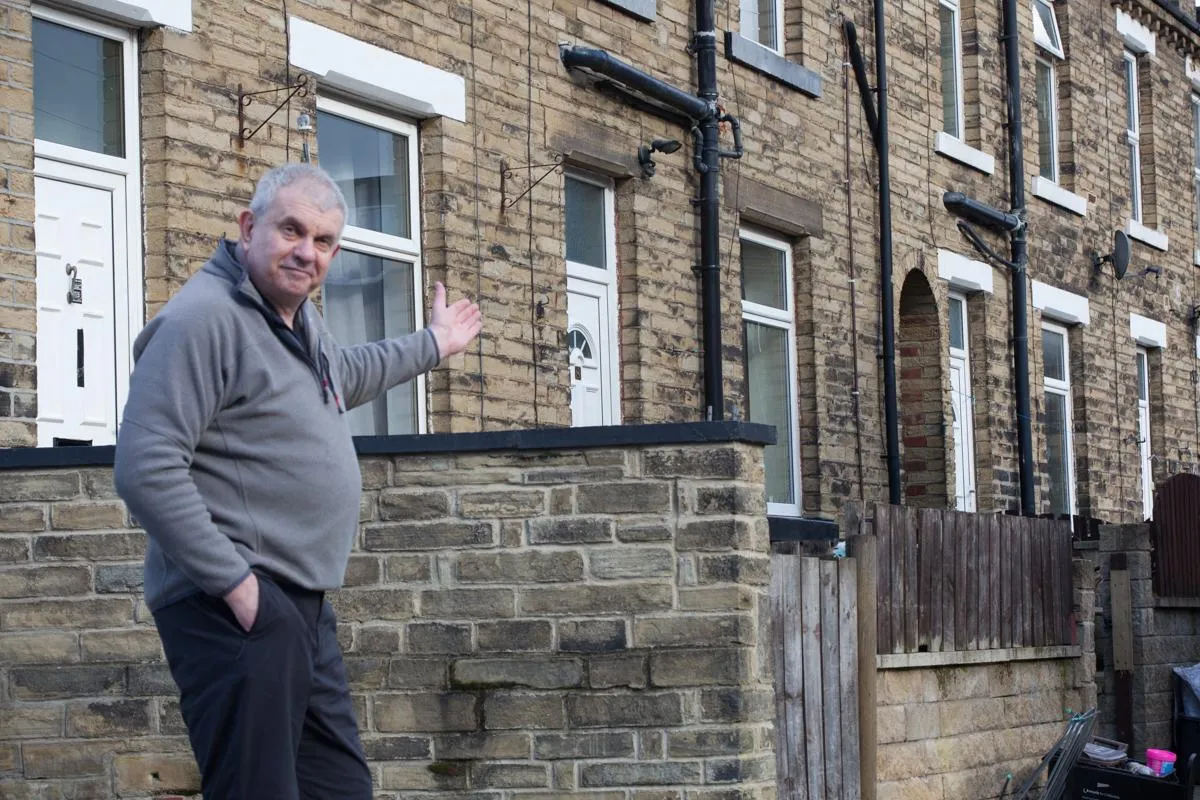
I Help People Just Like You To Build Wealth With Property
━━━━━━━━
I'm Clive Cass and I invest in Family Buy-To-Lets and Houses of Multiple Occupation in and around Greater Manchester and the North West and West Yorkshire.
My Story
━━━━━━━━
With over 30 years as a Chartered Accountant and 20 years investing in property, I help clients grow their wealth through hands-free HMO investments, tax-efficient structuring, and straight-talking financial guidance.
Whether you're an investor, landlord, or looking to sell your portfolio — you're in the right place.
Choose Your Path
━━━━━━━━
HMO Investing
Earn passive income from high-yield HMO properties, fully managed and compliant.
Tax & Accountancy
Landlord, builder or self-employed? Get tailored tax advice from someone who speaks your language.


Sell Your Property
Thinking of selling 1 or more properties? I’m buying. Let’s talk direct — no agents involved.
At a glance...
100+ properties sourced and managed
FCA-registered Chartered Accountant
Specialising in landlords, builders & HMOs
Real Results with Real Partnerships
Why Choose To Work With Cass Properties
Time To Act
Finding time to manage properties hasn't happened by accident. In fact, it's taken a lot of years to get to the point where I have established partners in the industry , so I can focus on the larger plan. This is something I share with the people I work with.
Property Knowledge
I invest in Family Buy-To-Lets & Houses of Multiple Occupation in and around Greater Manchester, the North West, and West Yorkshire. I have the time, money and experience and already work closely with partners who have over 200 properties. I am looking for landlords selling 5+ properties and investors with over £100,000 who would like a great rate of return.
Industry Experience
Knowing the industry inside out, Cass Properties doesn't just talk about how property works; we do it too. We always have active projects, in various stages of the strategy, and welcome other investors who are seeking to build wealth with property.
CONTACT
Call Me Today & Discover How You Can Build Wealth With Property
Reach out now, and either I or one of the team will contact you back promptly

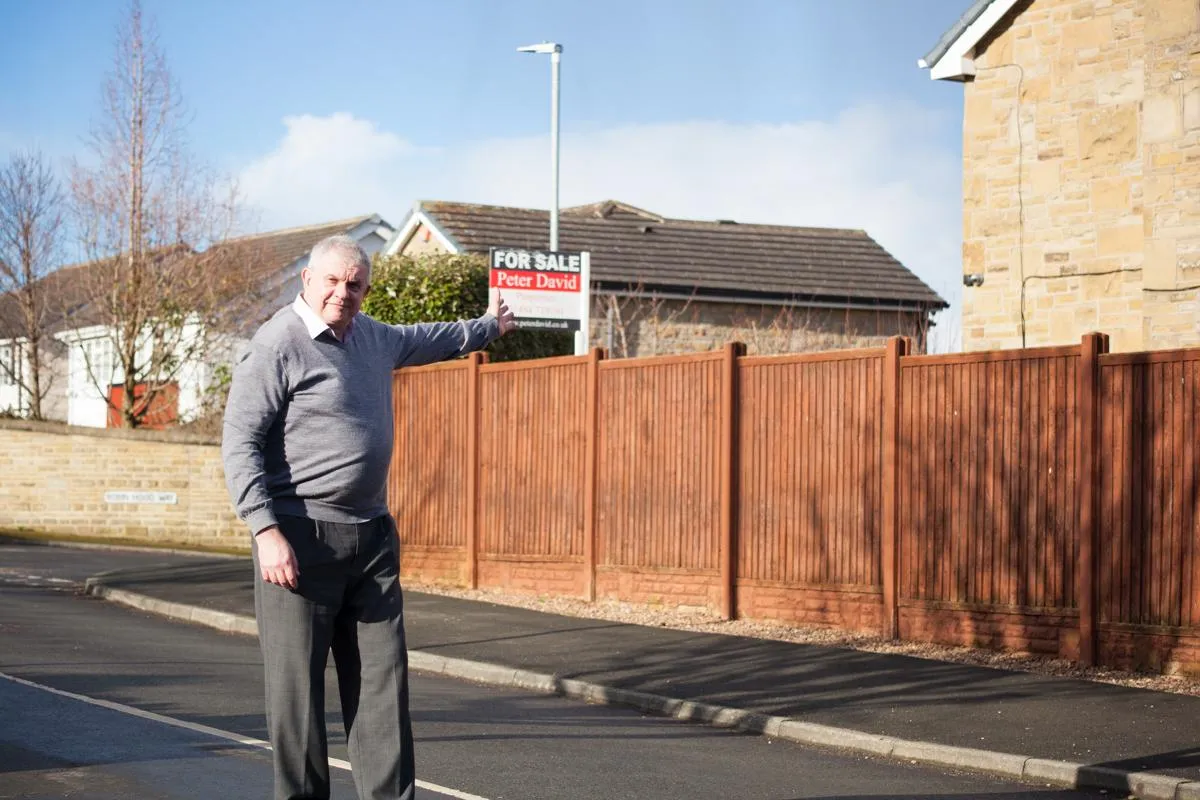
Accounting for deferred tax for an investment property business
Accounting for deferred tax for an investment property business
FRS 102 is the financial reporting standard applicable to companies in the UK and the Republic of Ireland. This factsheet addresses how FRS 102 requires consideration of deferred tax. It should be noted that accounts prepared under FRS 105 (i.e. micro entities) will not require deferred tax disclosures.
What is deferred tax?
Deferred tax arises from differences between ‘taxable profits’ and ‘accounting profits’. A simple way of understanding it is by considering capital expenditure. For tax purposes, 100% tax relief can be given in the year of acquisition, via capital allowances, whereas the cost of an asset is written off in the accounts over several years, via depreciation. In this case, there is a temporary timing difference between the taxable profits and the accounting profits. This is recorded in the accounts as a deferred tax liability because the tax relief has been given upfront and the accounts will take a few years to catch up!
You may also see a deferred tax asset. An example of this is if a company makes a loss and is able to carry forward the loss in order to reduce the taxable profits of future years. In this case, a deferred tax asset has been created and it should be shown in the accounts.
How is it calculated?
Deferred tax is calculated using the tax rates that have been substantively enacted for the balance sheet date for the accounting period in which the timing differences are expected to reverse. In the loss example above, the deferred tax asset would be calculated using the tax rate applicable for the accounting period in which the business expects to make a profit and offset the loss.
How is it disclosed in the accounts?
Deferred tax assets and liabilities should be calculated as at the balance sheet date and disclosed in the balance sheet, as appropriate.
Deferred tax assets should only be recognised in the accounts if it is probable (i.e. more likely than not) that they will be recovered.
Continuing our loss example, FRS 102 would require consideration as to whether the business is likely to make profits against which the loss could be offset. If future profits are not probable, the deferred tax asset should not be recognised.
Year on year changes to the deferred tax asset/liability are recognised as a deferred tax charge in the profit and loss account.
How does it apply to property investment companies?
FRS 102 requires investment properties to be revalued at their fair value on the balance sheet date and for deferred tax to be calculated in respect of any changes in value.
If a property’s fair value were to increase by £20,000, this would mean that a company’s taxable profits would be £20,000 higher should the property be sold. If the owner expected to pay corporation tax at 25% in the year of sale then a deferred tax liability of £5,000 (25% of £20,000) should be recorded.
To learn more about deferred tax, please speak to us - we will be happy to help!

TESTIMONIALS
What others are saying

"Clive exceeded ecpectations"
"Investing in property was new to me. I'd always done everything myself and found it stressful. Investing with Clive made everything simple and totally hands-off."
- Lilly, Bolton


"Better ROI than my Lifetime ISA"
"Working with Clive has become a rinse and repeat exercise. The way he does property puts my bank to shame. Property Investing works for me."
- John, Manchester

"Highly recommend this"
"As a mother of 2 I don't have the time to manage property like others do. But I know it's a good investment. Which is why working with Clive makes sense for me and my family."
- Shahida, Lancs
COMPANY
CUSTOMER CARE
45 Highmeadow, Manchester Greater Manchester M26 1YN
FOLLOW US


© Copyright 2026. Cass Properties Ltd. All Rights Reserved. Website & Marketing by TNT Marketing