


Software & Property

I’m Clive — a qualified Chartered Accountant and hands-on property investor with over 30 years’ experience helping people make smarter financial decisions and build long-term wealth.
My day-to-day work is split between:
Investing in high-yield HMO properties across the North West and Yorkshire
Advising landlords, builders, and small businesses on tax, accounting and compliance
And I love both.
Because I believe smart property investing and smart tax planning go hand-in-hand — and most people don’t get either right.
Hello... I'm Clive Cass
━━━━━━━━
Accounting Software
There are 4 ways to maintain your accounting records:
Manual (paper and pen);
Excel which is a spreadsheet that replicates manual records;
Integrated Accounting software such as Quickbooks, Xero, FreeAgent & SAGE.
Integrated Systems
Integrated accounting systems are the way to go when your accountancy and tax requirements reach a certain level of complexity. This will often be the case if you act as a limited company and need a Balance sheet or where you are VAT registered. I am happy to advise what software you will need now and when it is time for you to move on to something else.
Microsoft Excel
Excel is MTD compliant however will not easily cope with more complex issues such as VAT, large portfolios and limited companies where a balance sheet is required. If this is all you can manage it is however a reasonable way (and better than manual records) to provide the information to your book keeper to transfer, if necessary, to accountaing software. I can of course set you up on a suitable Excel accounting system, such as my free one designed for small businesses.
These systems are ideal for landlords of Buy to Lets who want to either manage them rather than get an estate agent to do so or who want to at least be actively involved in some aspects of the management.
The accounting systems are excellent but are limited in that they generally cannot handle VAT or produce a balance sheet which is a requirement for limited companies.
The real beauty of these systems is that they are really simple to use and provide a lot of management information from simple reminders about deadlines for insurance or safety checks to details of tenancies and even great financial information such as rental yields, equity and remortages.
Property Management & Accountancy Systems
━━━━━━━━
Elite Broker Blogs
━━━━━━━━
Tax-deductible expenses and vacant properties
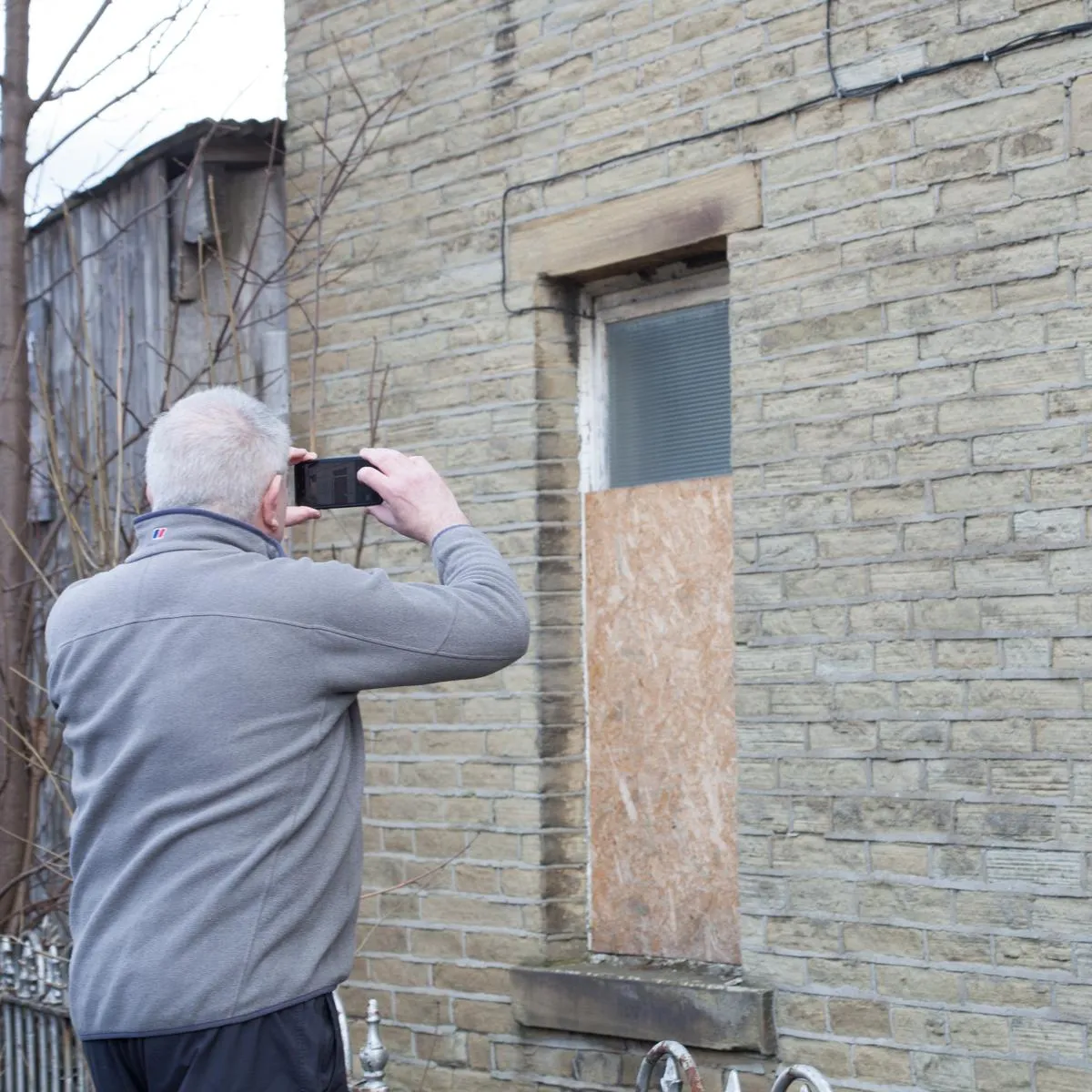
Tax-deductible expenses and vacant properties
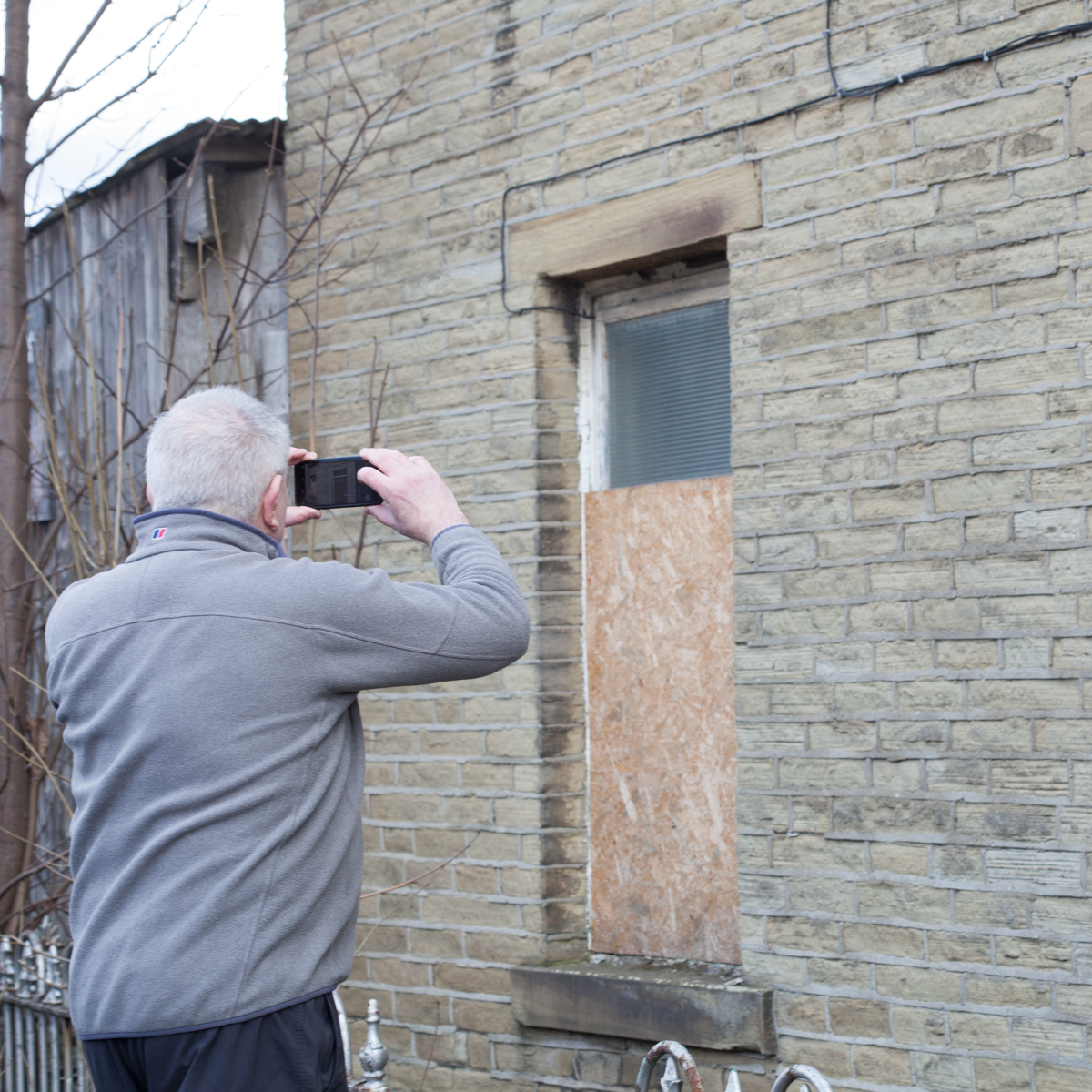
The ability to deduct expenses incurred by a property business is determined by the status of that business. HMRC typically see a property business as fitting into one of the following categories:
·Let on a commercial basis;
·Let on an uncommercial basis;
·Used for personal occupation;
·Temporarily vacant; or
·Ceased.
If the property is being let on a commercial basis, the normal rules for expense deduction apply as per HMRC’s Property Income Manual (see link below). This factsheet looks at the other scenarios in more detail.
‘Uncommercial’ letting
A property is let on an uncommercial basis if the rents charged are less than the full market rent value or normal market lease conditions are not imposed.
In this situation, only expenses up to the value of the rents received can be deducted; in other words, a loss cannot be created in respect of the property. Note that this does not apply for properties that are provided rent-free. If no rents are received, it means that any related expenses would not be incurred wholly and exclusively for business purposes and would therefore be disallowable.
Property is used for personal occupation
As expected, expenses that relate to a period when a property is used personally are not deductible because, quite simply, they are not incurred for business purposes. It is possible to treat a portion of an expense as deductible, but only if the business-use portion can be identified and calculated. For example, if over the course of a twelve-month buildings insurance policy the property was rented to tenants for five months and used personally for seven months, the cost of the policy could be time apportioned and 5/12 could be deducted.
Property is temporarily vacant
Expenses incurred during a period when the property is temporarily vacant can be deducted.
Sometimes, it can be difficult to determine whether a property is temporarily vacant or the lettings business has, in fact, ceased. It’s an important distinction because the rules for post-cessation expenses apply if the business has ceased (see below).
In the Property Income Manual, HMRC say that if the rental business consists of letting a single property, it will not normally cease just because the tenant quits and the property is empty while the landlord is looking for a new tenant. HMRC also say that, in practice, they will not normally suggest that the old business stopped where the gap is less than three years and the customer was trying to continue.
The property business has ceased
Usually a rental business ceases when the last let property is disposed of or starts to be used for some other purpose.
Post-cessation expenses can be deducted if they would have been allowable had the business continued, for example, the cost of background heating for empty premises to keep down condensation and so maintain the value of the property for later sale.
In addition, relief for certain post-cessation expenses such as bad debts and legal fees can be claimed if they were incurred within seven years of the business ceasing.
Further information
General information on deductible property expenses can be found in HMRC’s Property Income Manual: https://www.gov.uk/hmrc-internal-manuals/property-income-manual/pim1900
More information on post-cessation receipts and expenses can be found here:https://www.gov.uk/hmrc-internal-manuals/property-income-manual/pim2500

COMPANY
CUSTOMER CARE
45 Highmeadow, Manchester Greater Manchester M26 1YN
FOLLOW US


© Copyright 2026. Cass Properties Ltd. All Rights Reserved. Website & Marketing by TNT Marketing