


Software & Property
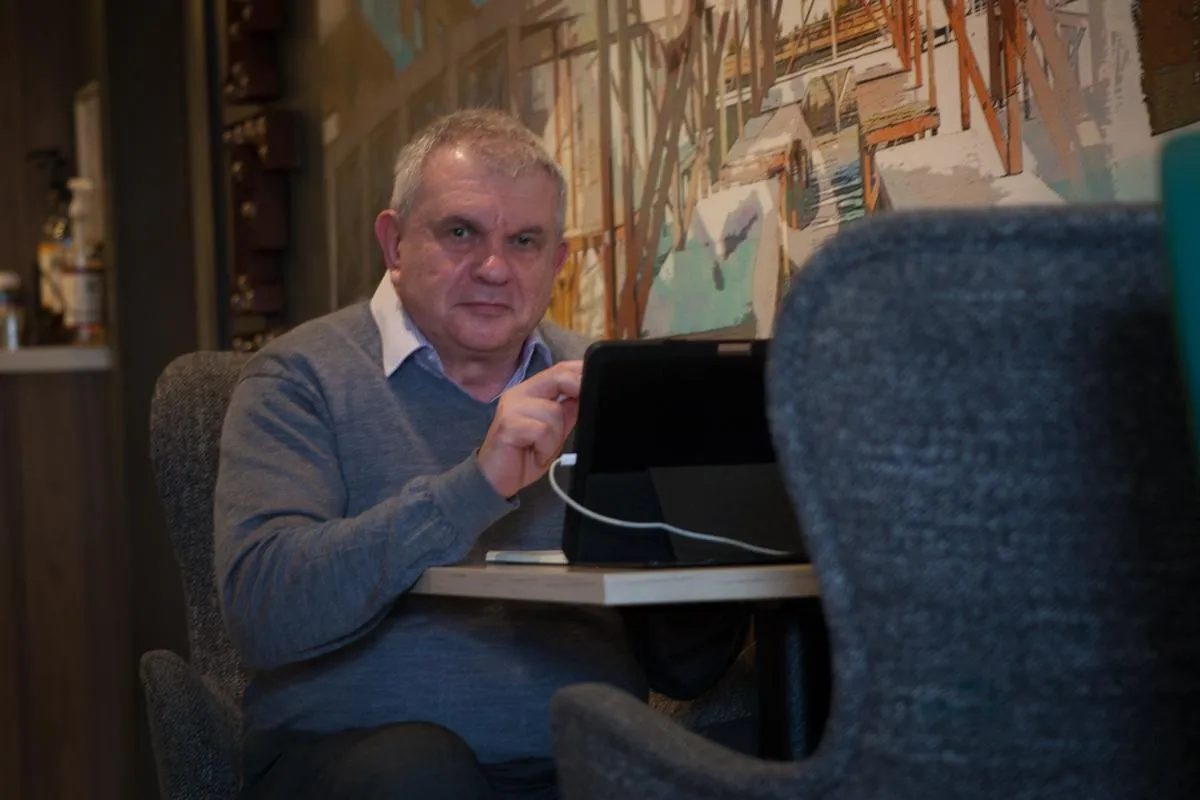
I’m Clive — a qualified Chartered Accountant and hands-on property investor with over 30 years’ experience helping people make smarter financial decisions and build long-term wealth.
My day-to-day work is split between:
Investing in high-yield HMO properties across the North West and Yorkshire
Advising landlords, builders, and small businesses on tax, accounting and compliance
And I love both.
Because I believe smart property investing and smart tax planning go hand-in-hand — and most people don’t get either right.
Hello... I'm Clive Cass
━━━━━━━━
Accounting Software
There are 4 ways to maintain your accounting records:
Manual (paper and pen);
Excel which is a spreadsheet that replicates manual records;
Integrated Accounting software such as Quickbooks, Xero, FreeAgent & SAGE.
Integrated Systems
Integrated accounting systems are the way to go when your accountancy and tax requirements reach a certain level of complexity. This will often be the case if you act as a limited company and need a Balance sheet or where you are VAT registered. I am happy to advise what software you will need now and when it is time for you to move on to something else.
Microsoft Excel
Excel is MTD compliant however will not easily cope with more complex issues such as VAT, large portfolios and limited companies where a balance sheet is required. If this is all you can manage it is however a reasonable way (and better than manual records) to provide the information to your book keeper to transfer, if necessary, to accountaing software. I can of course set you up on a suitable Excel accounting system, such as my free one designed for small businesses.
These systems are ideal for landlords of Buy to Lets who want to either manage them rather than get an estate agent to do so or who want to at least be actively involved in some aspects of the management.
The accounting systems are excellent but are limited in that they generally cannot handle VAT or produce a balance sheet which is a requirement for limited companies.
The real beauty of these systems is that they are really simple to use and provide a lot of management information from simple reminders about deadlines for insurance or safety checks to details of tenancies and even great financial information such as rental yields, equity and remortages.
Property Management & Accountancy Systems
━━━━━━━━
Elite Broker Blogs
━━━━━━━━
How to check if your supplier invoice is correct for input tax
How to check if your supplier invoice is correct for input tax

Many business owners have made the mistake of purchasing business supplies in their own name rather than the business’s name. Or if you have multiple companies, the purchase invoice may be directed at the incorrect company.
However, in the eyes of HMRC, invoices that are not directed to the correct company may be invalid for reclaiming VAT.
As a general rule, you should always ensure that if you are purchasing business supplies, the invoice states the correct business name.
Supplies to employees
Business owners can reclaim input tax on supplies to employees in certain circumstances. Supplies to employees include expenses such as fuel, accommodation and meals.
To reclaim input tax on supplies to employees, the supply must be paid for by the employer for the purpose of the business.
For instance, you can reclaim input tax on fuel expenses to a work site. However, you should not claim fuel expenses that are not work-related.
Simplified VAT invoices
When the total amount due on a business's invoice is under £250, they can issue a simplified invoice. Simplified invoices do not need to include the customer’s name and address.
You can reclaim input tax with a simplified invoice as long as it includes all of the mandatory information:
●The supplier details
●An invoice number
●The tax point (the transaction date)
●A description of the products/ services sold
●The VAT rate(s)
●The total (gross) amount due
If the simplified invoice is above £250 or does not include the mandatory information, you must contact the supplier as soon as possible. Make sure you document your attempts of getting a valid invoice in case HMRC ask for it.
Reclaiming VAT without a valid invoice
If you do not have any luck obtaining a valid invoice, there are other ways that you can prove the sale to HMRC.
You will need to prove to HMRC that:
There has been an actual supply of goods and/or services to your business.
Your business received the goods and/or services.
You have some form of documentary evidence to support the claim.
Any additional documentation would be helpful to your claim - including contracts, purchase orders, email correspondence, bank statements, etc.
The information you provide will be reviewed by HMRC staff who will have the final decision on whether or not your deduction request is approved.

COMPANY
CUSTOMER CARE
45 Highmeadow, Manchester Greater Manchester M26 1YN
FOLLOW US


© Copyright 2026. Cass Properties Ltd. All Rights Reserved. Website & Marketing by TNT Marketing